Ask the Expert: Maximize Your Impact This Giving Season
Year-end is one of the most critical times for charitable giving, offering a unique opportunity to make a difference for the causes and communities you value most. With a variety of giving options available, a little planning can help you amplify your philanthropic impact while taking advantage of potential tax benefits.
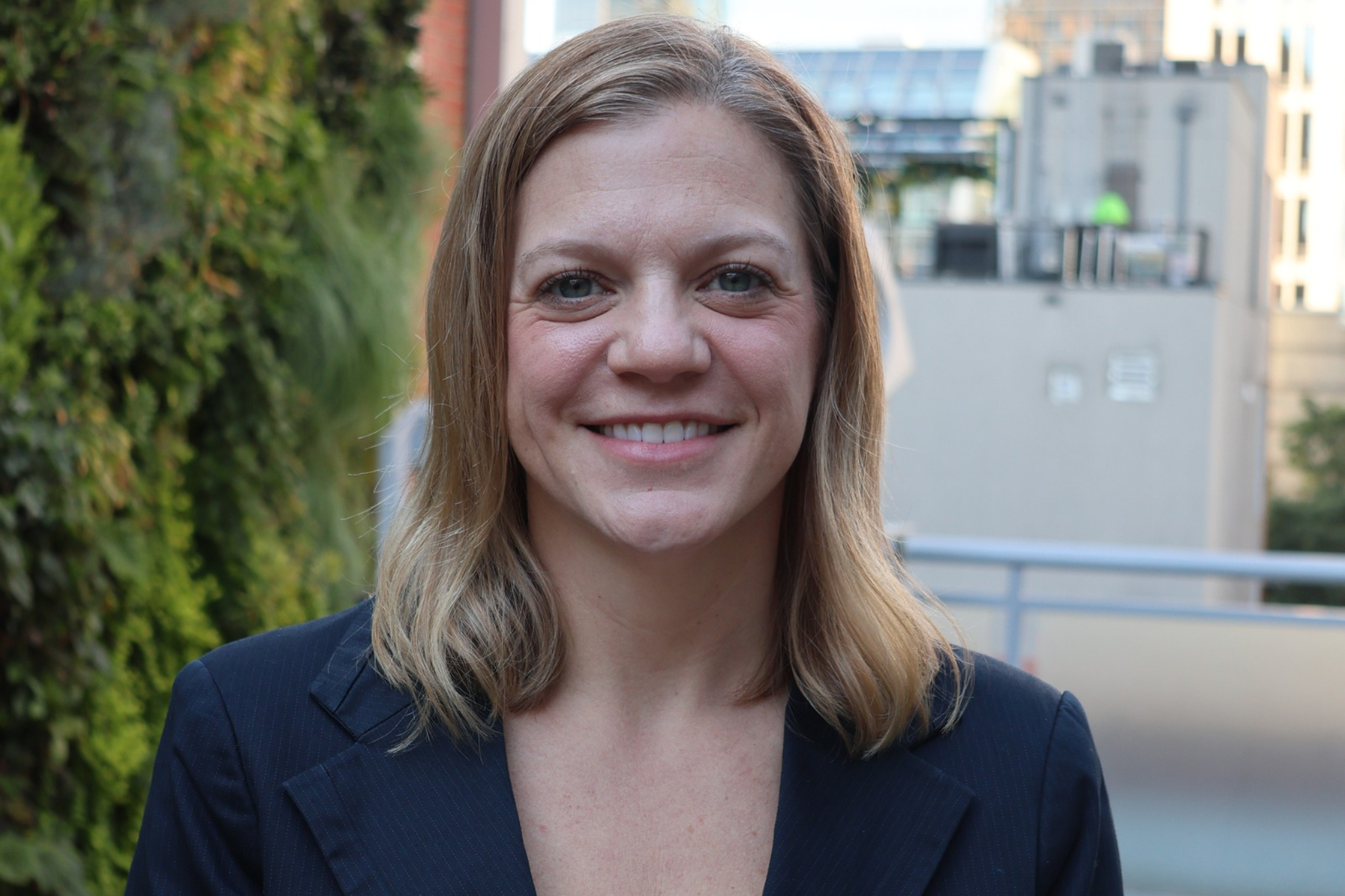
We asked Stephanie Mudd, FFTC’s vice president of Personal & Family Philanthropy, to share her expert guidance on smart giving strategies, key deadlines and ways donors can maximize their generosity before December 31.
Q: What should donors be thinking about as the giving season approaches?
Stephanie Mudd: The end of the year is naturally a time of reflection, and many people use this season to support organizations that align with their values and priorities. I encourage donors to think strategically about their philanthropy rather than waiting until the final days of December, particularly if you want contributions to qualify for the 2026 tax year.
It’s also important to be aware of year-end deadlines. Whether you’re making a cash gift, donating appreciated assets or recommending grants from a charitable fund, giving yourself plenty of time can help avoid last-minute challenges to ensure your gifts are processed before year-end.
Q: What are some of the most effective ways to give?
Stephanie Mudd: Many donors immediately think of cash gifts, but there are often opportunities to make a greater impact by donating other assets.
For many donors, contributing appreciated assets can be a tax-efficient way to support charitable causes while potentially avoiding capital gains taxes. Every situation is unique, so it’s always wise to consult with your tax, legal and financial advisors when evaluating giving strategies.
Q: Why are Donor Advised Funds such a popular charitable giving tool?
Stephanie Mudd: Donor Advised Funds continue to be one of the most flexible and effective ways for individuals, families and businesses to organize their philanthropy.
A Donor Advised Fund allows you to make a charitable contribution, receive an immediate tax deduction and recommend grants to your favorite nonprofits over time. New funds can often be established quickly, making them an attractive option for year-end giving.
I also love seeing families use Donor Advised Funds as a way to involve children and future generations in philanthropy. They can become a meaningful tool for teaching generosity, creating shared family values and building a lasting charitable legacy.
Q: What’s your final advice for donors this year?
Stephanie Mudd: Giving is most rewarding when it’s both meaningful and intentional. Whether you’re supporting organizations you’ve championed for years, involving family members in charitable decisions or exploring a new giving strategy, a little planning can go a long way.
Our team is here to help you make the most of your philanthropy. If you have questions about gifts, grants, your donor portal account or establishing a charitable fund, we’d be happy to help.
For assistance, contact our team at Philanthropy@fftc.org or visit fftc.org/individual-family-giving.
Year-end Reminders for FFTC Fundholders
- Because year-end is one of FFTC’s busiest grantmaking periods, fundholders are encouraged to submit grant recommendations early. If it is important that your grant reaches a nonprofit before year-end, we recommend submitting recommendations by December 4, 2026.
- To receive a charitable deduction for the 2026 tax year, cash and check contributions must be received or postmarked by December 31, 2026.
- Gifts of appreciated securities must be received in FFTC’s brokerage account by December 31, 2026. If you are planning a stock gift, please notify FFTC in advance so our team can help ensure the gift is received and credited properly.
- FFTC accepts a variety of charitable assets, including appreciated stock, real estate and closely held business interests, offering donors additional options for supporting the causes they care about.
- Qualified Charitable Distributions can be directed to many FFTC charitable funds and giving programs, including Community Impact Funds, Field of Interest Funds, Designated Funds, Agency Funds and Scholarship Funds. Donor advised funds, most private foundations and supporting organizations are not eligible recipients for QCDs under current IRS rules.
- To learn more about charitable giving strategies, Qualified Charitable Distributions, retirement assets or fund options at FFTC, contact Philanthropy@fftc.org.
FFTC does not provide tax or legal advice. The information presented here is for educational purposes and is not intended to be a substitute for individualized tax, legal or investment advice.
This giving season, thank you for the generosity and vision you bring to strengthening our communities. We are honored to partner with you in creating lasting impact.